
Journey into Israel’s wild frontier — where vast desert landscapes meet timeless history and surprising beauty.
Southern Israel is a land of dramatic contrasts. From the awe-inspiring cliffs of the Negev Desert to the colorful coral reefs of the Red Sea, this region offers both quiet solitude and thrilling adventure. It’s a place where nature takes center stage, and every horizon feels like a new discovery.
The south is home to ancient Nabatean cities, Bedouin traditions, natural wonders, and cutting-edge science. Whether you’re hiking through red canyons, stargazing under some of the world’s darkest skies, or enjoying the beach vibes of Eilat, you’ll experience a side of Israel that’s raw, elemental, and unforgettable.
This is not the Israel of postcards — it’s the Israel of open skies, bold landscapes, and stories written in stone.
Here are 12 must-see attractions that showcase the heart and soul of Southern Israel — a region that belongs on every curious traveler’s list.
Whether it’s a family vacation, or day tour – we’ll make it unforgettable.
Get in touch today — your journey starts here.


The Gaza Envelope refers to the communities in southern Israel that lie within a few kilometers of the Gaza Strip. Despite their proximity to conflict and frequent rocket attacks, these towns and kibbutzim have built lives rooted in resilience, innovation, and a remarkable sense of community.
Traveling through this region offers a profound emotional experience. Guided solidarity tours often visit Sderot, where a museum displays the remnants of rockets that once rained down on the town — now repurposed into art and symbols of strength. In Netiv HaAsara, visitors can see the “Path to Peace” mosaic wall, a heartfelt initiative by local residents that turns the separation barrier into a canvas of hope.
Following the October 7th, 2023 attacks, visits to the Gaza Envelope carry even deeper significance. Tours now often include stops at affected locations such as Kibbutz Be’eri, Kfar Aza, and Nir Oz, where visitors hear firsthand accounts from survivors, see the damage left behind, and witness the determined efforts to rebuild. These visits offer a chance to connect with the communities in their ongoing journey of healing and remembrance.
Beyond its symbolism, the region is home to thriving agriculture, startups, and cultural projects that demonstrate the residents’ refusal to be defined by fear. You’ll meet people with extraordinary stories — farmers, teachers, soldiers, and children — who carry on with optimism and dignity.
The Gaza Envelope is not just a place of tension, but one of creativity, courage, and community. A visit here offers an unforgettable opportunity to witness Israel’s unbreakable spirit.

The Ramon Crater is a geological wonder unique to Israel’s Negev Desert. Unlike an impact crater formed by a meteorite, it is a makhtesh — a massive erosion landform found only in Israel and the Sinai Peninsula. At over 40 km long, 10 km wide, and 500 meters deep, it is the largest of its kind in the world.
The nearby town of Mitzpe Ramon offers excellent lodging and panoramic views from its cliffside promenade. Jeep tours plunge into the crater’s depths, where multicolored rock layers, ancient volcanic formations, and prehistoric fossils tell the story of Earth’s evolution. Adventure-seekers can bike rugged trails or rappel down the crater walls, while astronomy lovers enjoy some of the clearest night skies in the Middle East.
One of the highlights is the Ramon Visitors Center, which tells both the geological story of the makhtesh and commemorates Israeli astronaut Ilan Ramon. The crater’s surreal beauty, combined with the silence of the desert, makes it a meditative and majestic destination for travelers seeking awe and perspective.

Eilat, perched at Israel’s southern tip, is a vibrant mix of natural wonder, marine life, and lively energy. This sunny resort town lies between the desert mountains and the Red Sea, and offers a year-round escape filled with color, adventure, and relaxation.
The coral reefs of Eilat are a diver’s paradise. The Coral Beach Nature Reserve and Underwater Observatory Marine Park give access to vibrant ecosystems teeming with tropical fish, rays, and even the occasional sea turtle. At Dolphin Reef, visitors can swim alongside dolphins in a semi-wild environment.
Beyond the water, Eilat invites exploration of its desert trails, botanical gardens, and unique attractions like the Ice Mall and Timna Park just outside the city — home to ancient copper mines and surreal desert rock formations.
Eilat’s hotels, restaurants, and duty-free shopping create a festive atmosphere, while its international airport makes it an easy getaway. Whether you’re here to dive, relax, or explore, Eilat delivers sunshine, salt, and smiles.

Beer Sheba, also spelled Be’er Sheva, is the largest city in the Negev and a vibrant blend of past, present, and future. Known biblically as the home of Abraham, today it’s a bustling metropolis and academic hub, home to Ben-Gurion University and a thriving tech and innovation sector.
In the Old City, you can walk cobbled streets past Ottoman-era buildings and visit Abraham’s Well Visitor Center, which recreates the patriarch’s story. The Negev Museum of Art, Carasso Science Park, and beautifully restored Turkish Train Station showcase the city’s commitment to culture and education.
Beer Sheba is also known for its Bedouin Market, a lively Thursday event full of textiles, spices, and traditional crafts. The modern city center features restaurants, nightlife, and shopping, while nearby Tel Sheva and Lakiya offer insight into Bedouin life.
Often overlooked by tourists, Beer Sheba rewards those who explore it with depth, diversity, and a real sense of renewal at the heart of the desert.

Running from the Dead Sea to Eilat, the Arava Valley is a stunning desert corridor bordered by the Negev Highlands and the Jordanian mountains. It’s a landscape of stark beauty and surprising productivity — one of the most advanced desert agriculture regions in the world.
Kibbutzim and moshavim here, such as Tzofar, Sapir, and Hatzeva, have transformed the harsh environment using cutting-edge irrigation, greenhouses, and solar technology. Many communities offer tours and workshops showcasing sustainable farming and environmental innovation.
Beyond agriculture, the Arava is a place of quiet spiritual retreat. Eco-lodges and campsites cater to hikers, stargazers, yoga retreats, and those seeking solitude. You can hike desert trails, bike empty roads, or join an astronomy tour under skies free of light pollution.
The Arava may seem remote, but its rhythm of life and harmony with nature make it one of the most meaningful places to visit in the south.

Southern Israel’s desert tours are not just sightseeing experiences — they’re journeys into silence, wonder, and timeless landscapes. With options ranging from luxury jeep safaris to rustic hikes and camel treks, the Negev Desert opens its secrets to all who wander here.
Jeep tours dive into the vast expanses of Makhtesh Ramon, exploring ancient rock layers, dry riverbeds, and fossil-rich terrain. Hikers might traverse the Ein Avdat Canyon, where waterfalls and cliffs offer refuge for ibex and birds of prey. Camel rides near Bedouin encampments offer a glimpse into nomadic tradition and deep connection with the land.
Guides often share stories of Nabatean traders, biblical prophets, and modern pioneers, adding layers of meaning to the views. Whether you spend an hour or a full day in the desert, the memory of its stillness, vastness, and golden light will stay with you long after.
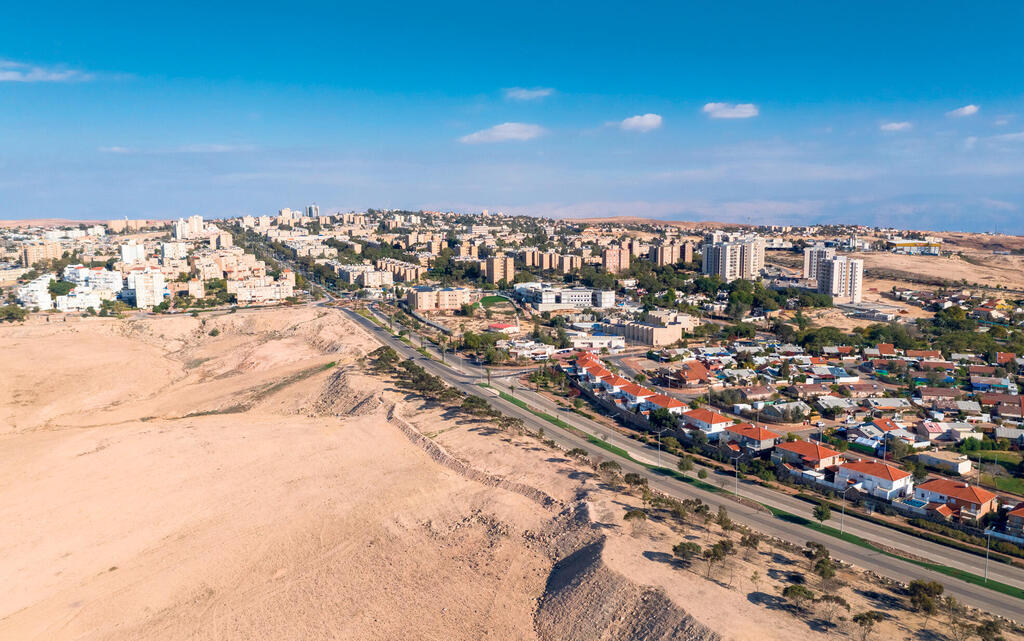
The desert town of Arad sits on a ridge overlooking the Judean Desert, blending modern architecture with spiritual energy. Originally established in the 1960s as a planned city for new immigrants, Arad today is known for its creative community, desert hiking trails, and proximity to historical and natural wonders.
Arad serves as a gateway to both Masada and the Dead Sea, and its cooler elevation provides a welcome contrast to the heat of the desert below. The town also offers access to the lesser-known but fascinating Tel Arad National Park, featuring the ruins of an ancient Canaanite city and a remarkably well-preserved Israelite fortress and temple. These ruins, dating back to the First Temple period, offer rare insight into early Israelite urban planning and religious practices.
With its dry air and tranquil setting, Arad has long attracted artists, writers, and those seeking a peaceful refuge from the busier parts of the country. It hosts an annual Arad Music Festival, which draws crowds for performances under the stars, and its community is known for fostering a blend of cultural creativity and desert serenity. Cafés, art galleries, and local festivals showcase the town’s creative pulse, while hiking and biking trails in the surrounding cliffs and valleys offer stunning views and peaceful solitude.
Whether you’re passing through on your way to the Dead Sea or looking for a place to unwind and explore, Arad provides an enriching and relaxing desert experience.

A visit to southern Israel isn’t complete without experiencing Bedouin hospitality — a tradition that embodies warmth, generosity, and a deep connection to the desert. The Bedouin people, traditionally nomadic and tribal, have lived in the region for centuries, developing unique ways of life deeply intertwined with the harsh desert environment.
Guests are welcomed with sweet tea, freshly brewed Arabic coffee, and traditional dishes such as mansaf (lamb with yogurt and rice) or zarb (meat and vegetables slow-cooked underground). Meals are often enjoyed while seated on floor cushions inside a goat-hair tent or traditional stone house. Storytelling, music, and poetry are important parts of Bedouin culture, and many hosts are eager to share these traditions.
Some communities offer immersive experiences such as camel treks, desert hikes, traditional weaving workshops, and stargazing tours. Overnight stays in the desert, complete with bonfires and music beneath a sky full of stars, create memories that last a lifetime.
In areas like Lakiya, Tel Sheva, and Keseifa, visitors can find structured hospitality programs that promote sustainable tourism and support economic development. These encounters foster genuine cultural exchange and offer a glimpse into a proud and ancient lifestyle shaped by the rhythm of the desert.

n the quiet kibbutz of Sde Boker, visitors can step inside the modest desert home of David Ben-Gurion, Israel’s first Prime Minister and one of its most visionary leaders. His house remains preserved just as it was when he lived there in the 1950s and 60s, offering rare insight into his daily routines, personal beliefs, and unwavering commitment to the future of Israel’s Negev Desert.
The house is a humble, single-story structure filled with hundreds of books, simple furniture, and handwritten letters. It reflects Ben-Gurion’s values of intellectual rigor, simplicity, and dedication to public service. Visitors can view his study, living quarters, and personal library, all carefully maintained to preserve the atmosphere of his time.
Just a short walk away lies the Ben-Gurion gravesite, set on a cliff overlooking the stunning Zin Valley. The view is one of the most breathtaking in Israel — a sweeping panorama of desert wilderness that inspired Ben-Gurion’s famous vision of “making the desert bloom.”
A visit here is both historical and emotional, offering not only a deeper understanding of the man who helped found the modern state of Israel but also a sense of the ideals and aspirations that continue to shape the country.

Located about 25 kilometers north of Eilat, Timna Park is one of Israel’s most visually stunning and geologically fascinating destinations. This vast desert reserve spans over 15,000 acres and features towering sandstone cliffs, dramatic rock formations, and copper mines dating back more than 6,000 years.
Visitors to Timna can explore ancient Egyptian mining shafts, climb rock arches, and admire natural sculptures like Solomon’s Pillars and the Mushroom. The park also features a life-size replica of the biblical Tabernacle, offering a spiritual and historical perspective on the desert setting. Families and adventure seekers can enjoy biking, hiking, or jeep tours along well-marked trails that reveal breathtaking desert vistas.
At night, Timna transforms into a magical wonderland, especially during moonlight tours or seasonal festivals with light installations and cultural performances. A small lake in the center of the park offers paddle boating and shaded picnic spots — a surprising oasis amid the arid surroundings.
Timna Park is not just about scenery; it’s a place where geology, archaeology, and imagination come together, creating an unforgettable desert experience for all ages.
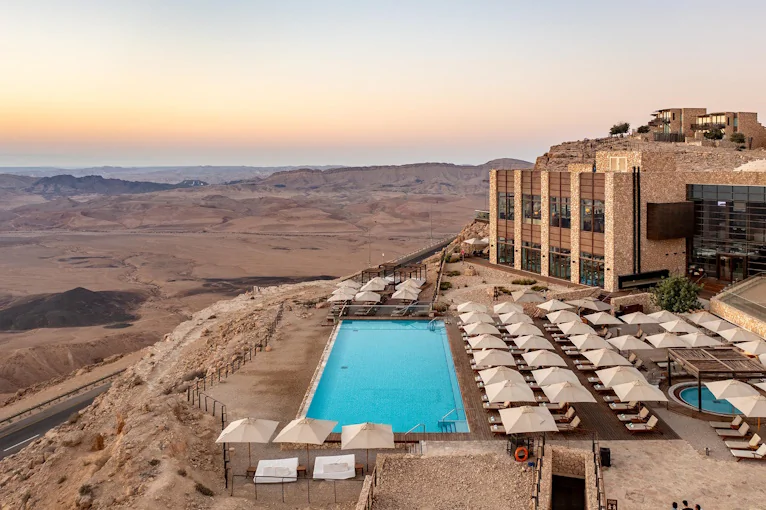
Southern Israel is home to some of the most exquisite luxury desert retreats in the Middle East, where natural beauty meets unmatched comfort. These resorts offer an immersive experience of the Negev’s vast landscapes, designed to foster relaxation, wellness, and a deep connection to nature.
One of the most iconic is Bereshit Hotel, perched on the cliffs above Makhtesh Ramon. Its stone-built villas, infinity pool, and desert-facing balconies provide a breathtaking view of the crater below. Guests enjoy world-class dining, spa treatments, and guided desert excursions, all while surrounded by serene silence and majestic views.
In the Arava, Six Senses Shaharut redefines desert luxury. Built to blend into the desert hillside, it offers private suites and villas with plunge pools, an organic spa, camel rides, stargazing sessions, and holistic wellness experiences. The resort emphasizes sustainability and local culture, creating a harmonious oasis of indulgence and intention.
Other boutique stays like Desert Days, Kibbutz Lotan Eco-Lodges, or Orlyya Farm provide charming alternatives for travelers seeking comfort with character. Whether you’re watching the stars from a private terrace or waking to silence and sunrise over the dunes, luxury desert stays offer a unique and unforgettable way to experience Israel’s southern frontier.
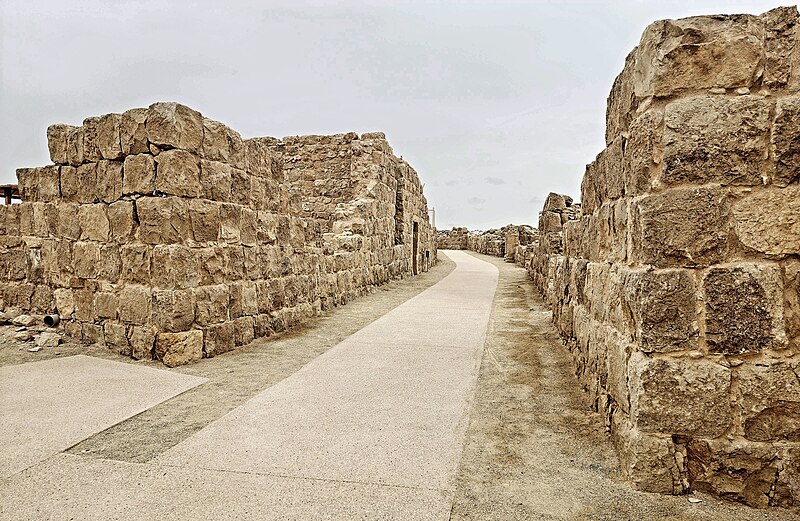
Deep in the heart of the Negev lies Shivta, a beautifully preserved Byzantine desert city and a UNESCO World Heritage Site. Unlike many ancient cities, Shivta was never destroyed in battle — it was simply abandoned, leaving behind an eerily intact window into life nearly 1,500 years ago.
Visitors can walk through the wide stone-paved streets, past the remains of three early Christian churches, homes, workshops, and wine presses. The layout reflects advanced urban planning, water management systems, and a surprising level of comfort for such a remote location.
Shivta’s silence is part of its magic. As you explore its sun-bleached ruins, you’ll feel transported to another era — one shaped by resilience, faith, and human adaptation to the harshest environments. It’s a haunting and inspiring testament to the ingenuity of desert settlers.
ממלאים את הפרטים ומקבלים את קופון ההטבה בדוא"ל:


